





Натуральный антиоксидант витамин Е
Natural antioxidant vitamin e are natural antioxidants extracted from edible vegetable oils, which can be widely used in food, dietary supplements, feed, cosmetics and other fields to protect finished products from oxidation. Because of this, they extend the shelf life of the product and prevent any chemical reactions that can cause changes in the product's odor, taste and color.Scientists are investigating whether, by limiting free-radical production and possibly through other mechanisms, vitamin e might help prevent or delay the chronic diseases associated with free radicals.

- Внедрение продукции
Natural antioxidant vitamin e are natural antioxidants extracted from edible vegetable oils, which can be widely used in food, dietary supplements, feed, cosmetics and other fields to protect finished products from oxidation. Because of this, they extend the shelf life of the product and prevent any chemical reactions that can cause changes in the product's odor, taste and color.Scientists are investigating whether, by limiting free-radical production and possibly through other mechanisms, vitamin e might help prevent or delay the chronic diseases associated with free radicals.
As an antioxidant, vitamin e helps ward off cancer-causing cell damage. Some evidence shows that low levels of vitamin e and selenium may raise your risk of breast and lung cancer.
Vitamin e has a protective effect on the cells in your eyes. And getting enough of this nutrient could lower your risk of age-related macular degeneration (amd) and cataracts.


R&D
Invests heavily in R&D, continuously improving their product offerings and staying at the forefront of new material technology. Their dedication to innovation means customers can benefit from cutting-edge solutions.
24h online service
We try and respond to all concerns within 24 hours and our teams are always at your disposal in case of any emergencies.
Another key difference between natural and synthetic vitamin e is that natural vitamin e is far more potent than synthetic. In fact, natural vitamin e is up to 50 times more potent than synthetic! This means that you need to consume less of it in order to get the same benefits as you would from synthetic vitamin e. If you're looking for a way to improve your eye health quickly and effectively, natural vitamin e is the better option when it comes to eye vitamins.
Natural vitamin e tends to be more stable than synthetic, meaning that it does not break down as quickly, and it retains its potency for a longer period of time. Natural vitamin e is the superior choice when it comes to finding eye care that will provide long-lasting benefits.
Using vitamin e products provides a great dose of antioxidants, which helps prevent damage caused by free radicals (impurities that attach themselves to your face and cause skin damage). Antioxidants also help boost your skin glow - it prevents the oxidisation of oil on your face, which can help minimise blackheads. Vitamin e products can protect your skin, and even help smooth out fine lines that were previously caused by these pesky free radicals.
1vitamin e has a variety of biological activities and can prevent and treat some diseases. It is a strong antioxidant that can protect the stability of cell membranes by interrupting the chain reaction of free radicals, preventing the formation of lipofuscin on the membrane and delaying the aging of the body; it can regulate the aging of the body by maintaining the stability of genetic material and preventing structural variation of chromosomes. The body's metabolic activities proceed in an orderly manner, and it also plays a role in delaying aging; it can prevent the formation of carcinogens in various tissues in the body, stimulate the body's immune system, kill newly generated amebocytes, and reverse certain malignant tumor cells. It is a cell with normal expression; it has the functions of maintaining the elasticity of connective tissue and promoting blood circulation; regulating the normal secretion of hormones in the body; controlling the consumption of acid in the body; protecting the skin and mucous membranes, making the skin moist and toned, thereby achieving the effect of beauty and skin care; it can also improve hair microcirculation of hair follicles ensures their nutrient supply and regenerates hair. Another study shows that vitamin e can also prevent the oxidation of ldl cholesterol and avoid coronary arteriosclerosis. In addition, vitamin e can prevent the occurrence of cataracts; delay alzheimer's disease; maintain normal reproductive functions; maintain the normal structure and function of muscles and peripheral blood vessels; treat gastric ulcers; protect the liver; regulate blood pressure; assist in the treatment of type ii diabetes; and other vitamins have synergistic effects.
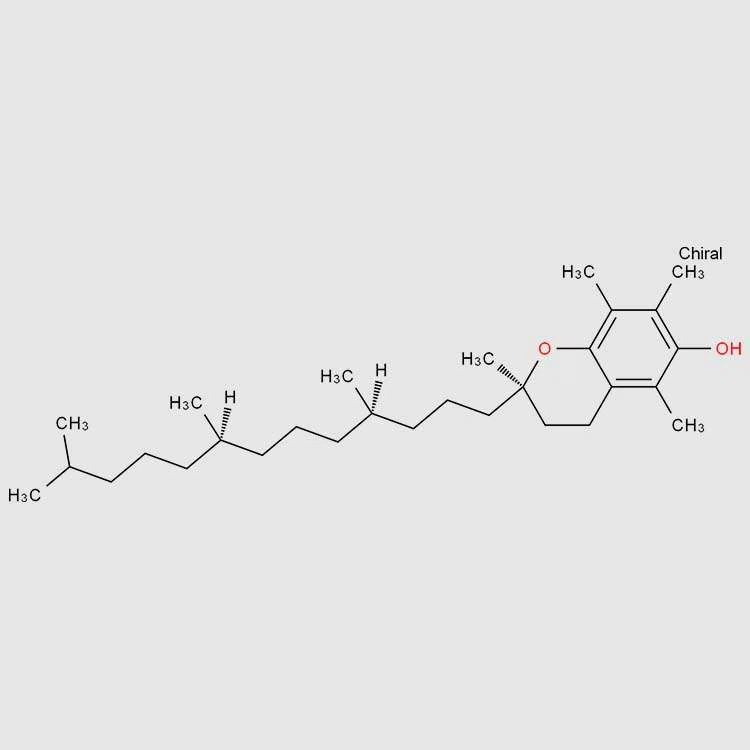
Vitamin e is also called vitamin e. Also known as tocopherol or pregnogenic phenol. Is one of the most important antioxidants. Soluble in organic solvents such as fat and ethanol, insoluble in water, stable to heat and acid, unstable to alkali, sensitive to oxygen, not sensitive to heat, but the activity of vitamin e is significantly reduced when fried. It is found in cooking oils, fruits, vegetables and grains. Vitamin e is a fat-soluble vitamin that comes in eight forms and is often used in creams and lotions because it is believed to promote skin healing and reduce scarring after injuries such as burns.
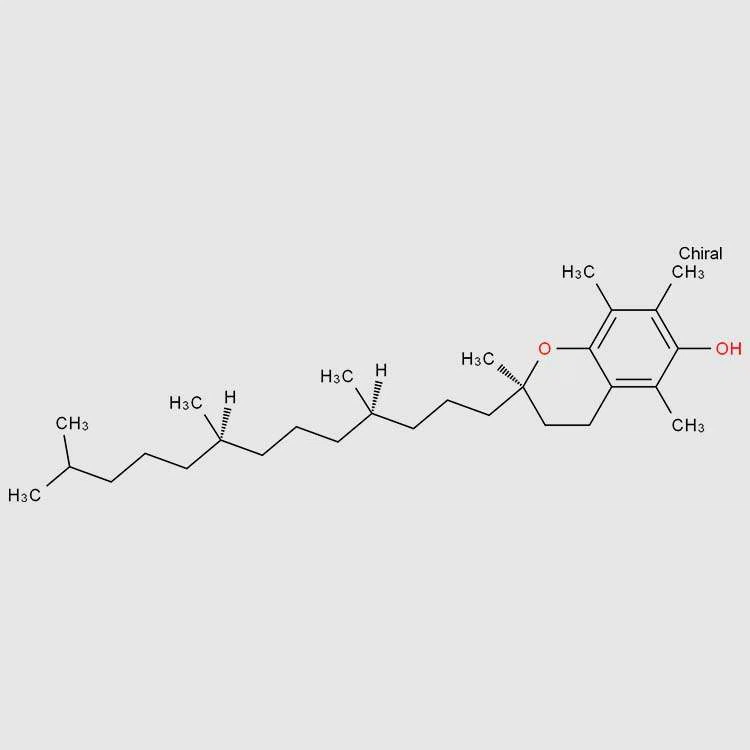
Vitamin e is a fat-soluble vitamin with a strong antioxidant effect. Proper use can delay aging, reduce wrinkles or reduce the oxygen consumption of cells, and is helpful for alleviating symptoms such as leg cramps and stiff hands and feet. If you are allergic to any ingredient in this product, you should be careful when taking vitamin e to avoid taking it blindly and causing adverse effects on your health.
At the same time, vitamin e should not be taken excessively. Long-term or excessive use may easily affect the health of the gastrointestinal tract, causing nausea, vomiting, and other symptoms. In severe cases, dizziness, headaches, and blurred vision may occur. People who overdose or have serious side effects should go to the hospital immediately for corresponding treatment, and remember not to delay medical treatment.
Proper storage is vital for the potency of vitamin e supplements. Keep them at room temperature between 15 and 30 degrees celsius and protect them from light and heat. Be sure to check the expiration date and discard any expired medication. As with all drugs, keep vitamin e supplements out of reach of children.
Q: Is 400 iu of vitamin e too much?
горячая этикетка : , бальзамы для губкокосовый сахар
Вам также может понравиться

